
Reporting Guidelines Explained: CONSORT, PRISMA, STROBE and More
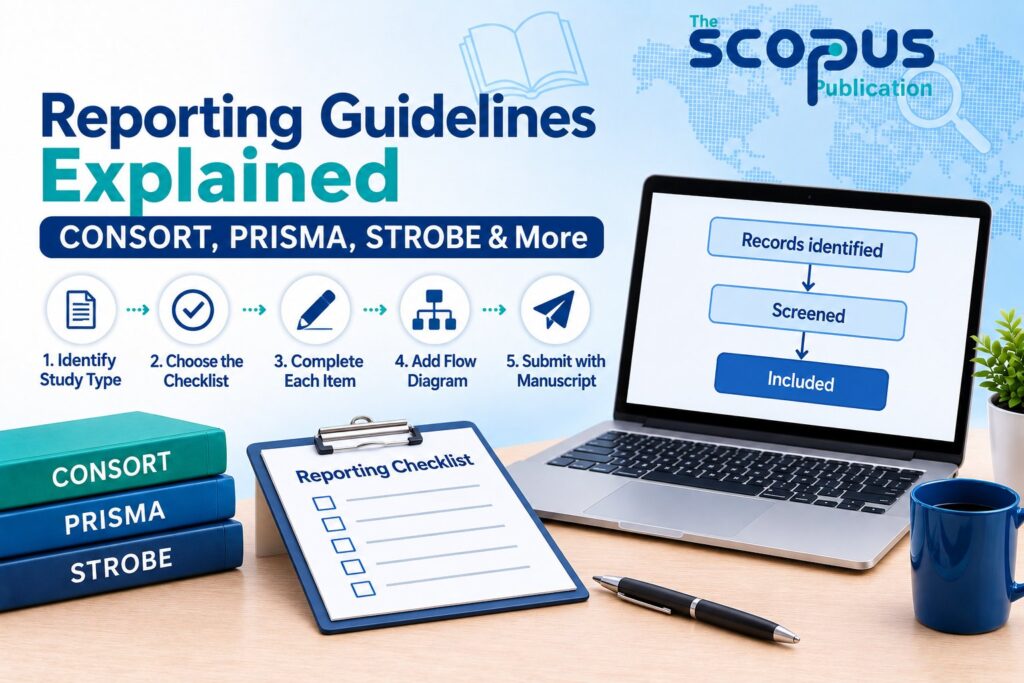
Key takeaways Choose the checklist that matches your study design, not your medical specialty. CONSORT 2025 is related to randomised trials which have been completed; PRISMA 2020 – to systematic reviews; STROBE – to observational studies. Although the use of the checklist will be useful in determining which information is missing, it will not solve […]
English Editing Certificate for Journal Submission: What It Is and When You Need It
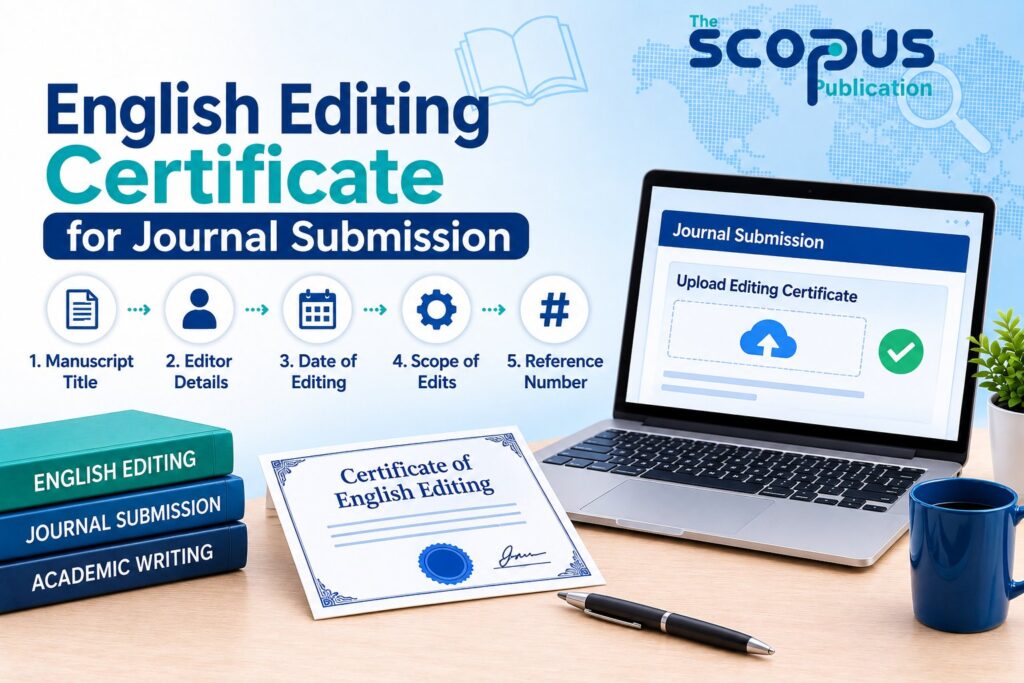
Key takeaways Your English editing certificate proves the edits made to the particular manuscript, but not the quality of your research. Most journals do not need the certificate. Make sure if it is necessary either from the instructions or the editor’s note. There should be information about the manuscript, editing agency, date of work and […]
English Editing Cost for a Research Paper: A 2026 Price Guide
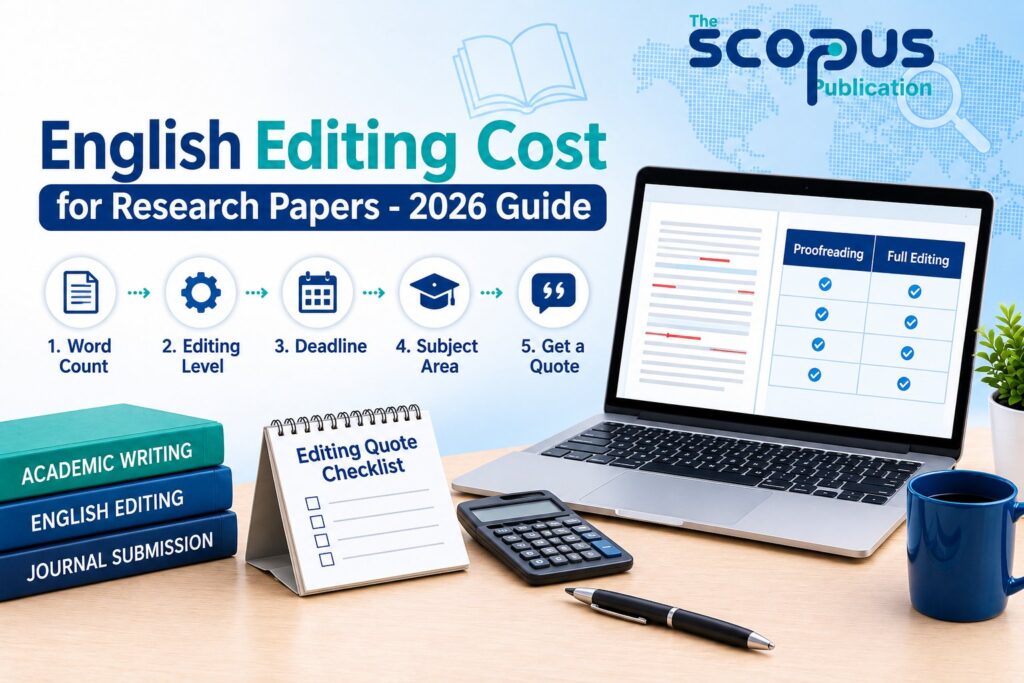
Key takeaways Published prices differ depending on editing type, word count and deadline. Pay attention not only to pricing but also to services provided. The lowest price for standard proofreading is $0.021 per word while for full editing – $0.05 per word according to one source. Such rates would result in prices of $105 and […]
How Long Does It Take to Publish in a Scopus Journal? Realistic 2026 Timelines
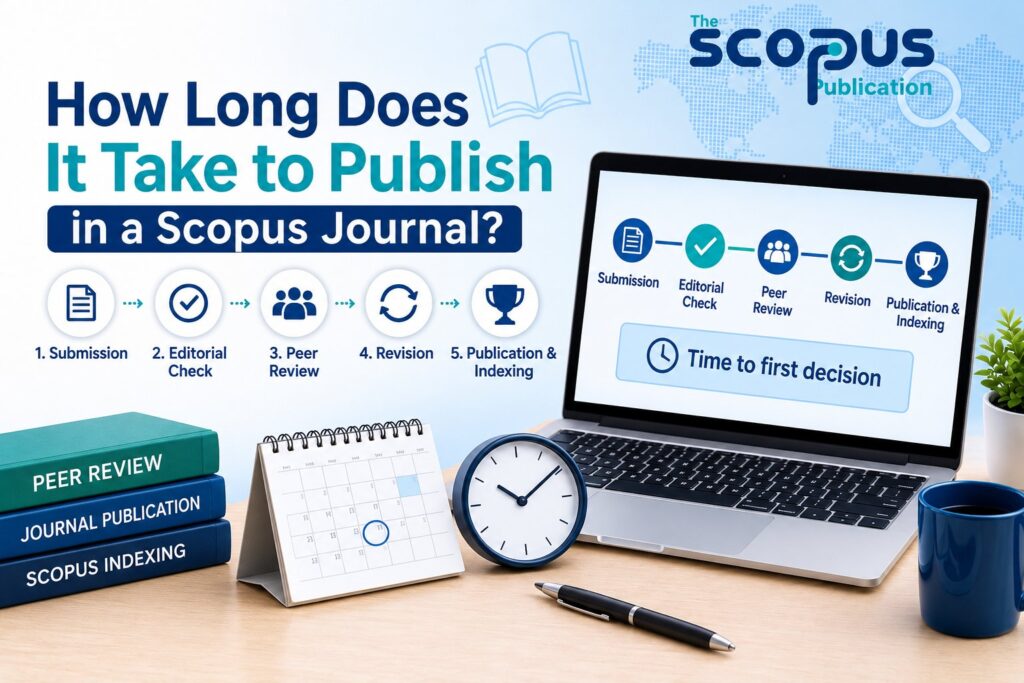
Key takeaways Decisions are not equal to acceptance or publication; compare the measures of each journal. Peer review and author revisions can take months, and online publication and Scopus indexing are separate processes. Journal fit, complete files and a realistic revision plan can help avoid preventable delays. Use journal-specific data to guide, but do not […]
How to Identify Predatory and Hijacked Journals Before You Submit
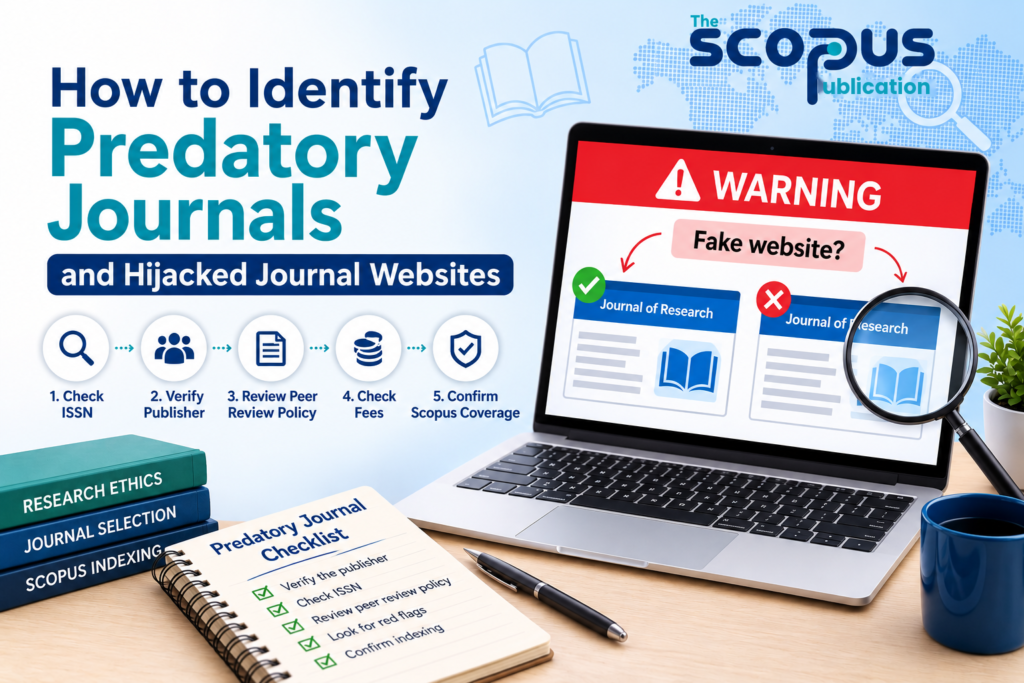
Key takeaways Predatory journals may deceive authors regarding editorial review, fees or standards in publishing. Hijacked journals are a fake website using the name of a real journal to attract researchers to it. Verify independently the ISSN, publisher, review process and Scopus coverage of a journal. Prior to submitting, or paying, use the predatory journal […]